

Google Discover is one of the most remarkable platforms for brands and content creators looking to increase their online visibility. In the ever-evolving digital world, constantly changing algorithms and emerging platforms make it essential to keep up with the latest innovations. So, what is Google Discover, and why is it important for SEO? In this blog post, we will take a detailed look at what Google Discover is, how it can impact your SEO efforts, and how you can benefit from this platform in the most effective way possible.
What is Google Discover?
Google Discover is described as a service that suggests new content to users based on their previous searches and interests. Introduced in December 2018, it’s a user-centric platform that helps us quickly access relevant topics without having to search.
Google Discover tailors the content feed solely to the user’s interests and displays relevant content without requiring any query. Discover makes content recommendations to users by considering the following factors:
- Search history
- Browser history
- Application activity
- Location history and settings
- The topics being followed

The Importance of Google Discover for SEO
Thanks to its personalized content feed, Google Discover offers users content tailored to their interests without requiring them to enter search queries, presenting significant opportunities for SEO strategies. It’s essential to thoroughly examine how to leverage this platform’s potential and the methods that can improve your website’s performance.
Google Discover is a platform where all websites can increase their visibility and obtain a high amount of organic traffic. In addition to the SEO efforts you carry out to increase your Google Discover visibility, you can reach a wider audience with your brand awareness with the support of Google Ads consultancy.
Ways to Improve Your Performance on Google Discover
Producing Trendy, High-Quality and Engaging Content
Google Discover is a platform that delivers content based on users’ interests and current trends. Therefore, closely following trends and producing original, valuable content is crucial. Using different formats such as articles, videos, images, and lists improves the Discover performance of your content.
All content must be up-to-date, reliable, and responsive to user needs. Producing high-quality and trending content is the most effective way to increase visibility on Discover.
Clickbait’ten Kaçının
Headlines that pique the user’s curiosity and interest significantly increase click-through rates. Therefore, it is crucial to avoid “clickbait” headlines, which mislead the user about the content.
Google is very good at analyzing whether the promise made in the headline is reflected in the content. If the headline promises something different while the content discusses something else, this harms Google Discover performance. Conversely, sincere and trustworthy headlines yield strong results.
Image and Video Optimization
When using high-quality images and videos in your content, it’s important to add appropriate alternative texts and descriptions. Using descriptive text not only for alt text but also for file names will contribute to your visual optimization.
- The site logo should not be used visually.
- Manipulated media should not be used.
- Image file names should be descriptive.
- Appropriate alt text should be added.
- A descriptive title or caption should be added to the image.
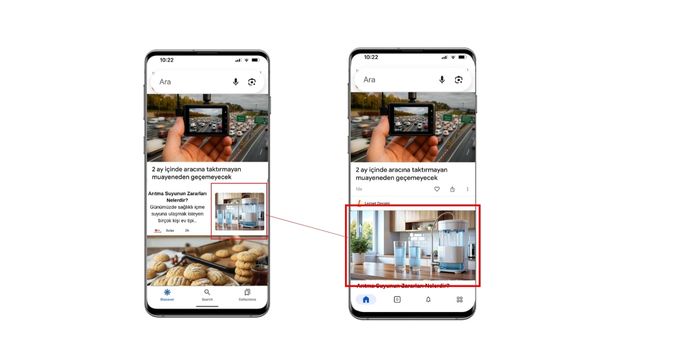
- For Hero Images, a 16:9 aspect ratio is preferred.
EEAT
The reliability of your content is crucial for user experience. Readers tend to trust information more when they know who the author, publisher, or organization behind the content is. This kind of transparent information strengthens your content’s EEAT (Experience, Expertise, Authoritativeness, Trustworthiness) criteria. Content that is strong in terms of EEAT also significantly increases the likelihood of being listed on Google Discover.
Additionally, including publication and last update dates in your content increases user trust and emphasizes the timeliness of the content. Such details support the credibility of your content in the eyes of both search engines and users.

Structured Data Markup
Using structured data markup in your content helps search engines understand your page’s content and context more accurately. This allows Google to more easily analyze the type of content, its purpose, and which elements it highlights.
Content Update
Regularly updating and republishing your content is a highly effective way to increase your visibility. When previously published content is kept up-to-date, it increases the likelihood of it appearing on the Discover page.
Keeping evergreen content (content that doesn’t lose its value over time) up-to-date improves your long-term performance and increases your chances of appearing in Discover. Even small revisions, adding new information, or optimizing the headline can make a big difference.
Knowledge Graph Usage
Being included in the Knowledge Graph indicates that your brand’s online presence is strongly recognized by Google. In other words, Google understands which concepts, people, or interests your brand is associated with. This increases the likelihood that your content will be shown to users interested in topics related to your brand.
Performance Measurement
After improving your content, you might want to evaluate how it performs in the Discover section. In Google Search Console, under the Discover heading, you can only observe the performance of your content in the Discover section.
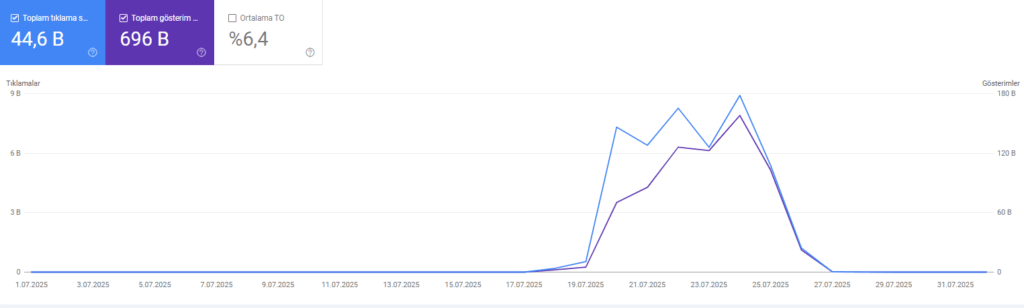
In our work with a client operating in the water purification systems sector, our content received 44,000 clicks via Google Discover. This result demonstrates that our content is optimized to match users’ interests.
How do we view Google Discover data in Google Search Console?
- Sign in to your Google Search Console account.
- View your search traffic data by selecting the ‘Performance’ tab from the left-hand menu.
- Click the ‘Discover’ tab in the top menu and review your Discover performance.
- Measure your content success by evaluating metrics such as clicks, impressions, and CTR rate.
- Compare content performance periodically by selecting the periods you want to analyze.
- Analyze which content and countries generate the most traffic.
- Improve your strategy by comparing different time periods or pages.